
Well-being for Every Child, Every Day!
At HappySouls AI, we’re creating a space where parents, schools, and caregivers feel more connected to children’s emotional well-being. It's a caring, gentle way to support every child’s feelings, making sure they’re understood and nurtured, every step of the way.
join THE CONVERSATION

We’re going live soon! 🌟 In the meantime, check out our articles and subscribe for updates! 💫
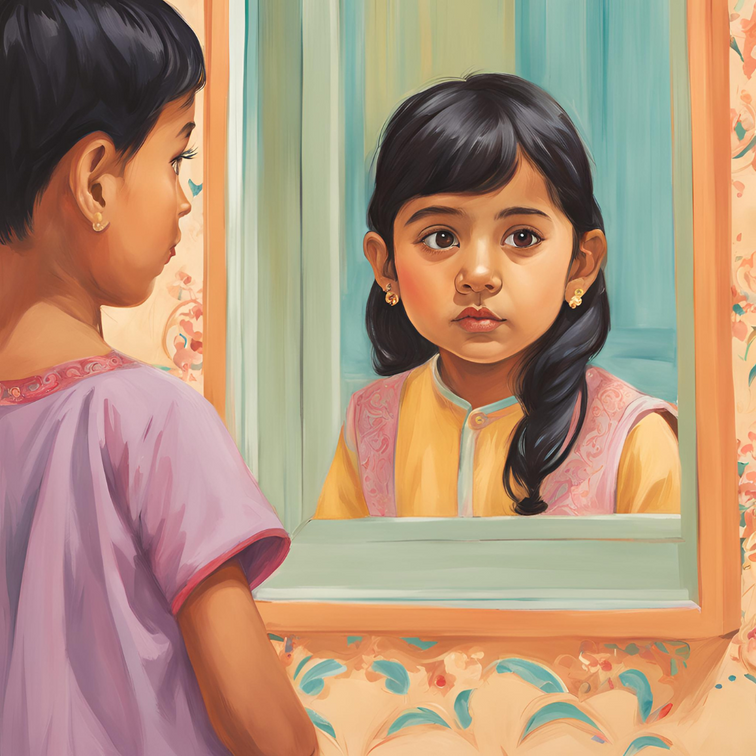
Early Signs and Support for Gender Dysphoria
Gender dysphoria occurs when a child feels a mismatch between their assigned gender and the gender they identify with, leading to emotional distress. It can manifest in discomfort with societal expectations or personal expression, and may cause anxiety or depression if not understood. Recognizing these feelings early helps in addressing the emotional well-being of the child.
Virtual Autism: Screen Time Effects on Kids
Screen time, particularly excessive use of digital devices, has been linked to behavioral and developmental issues in children, sometimes referred to as "screen-induced autism." Symptoms may include social withdrawal, reduced attention span, and difficulties with communication and social interactions. Balancing screen time with interactive, offline activities is essential for supporting healthy child development.


Managing Your Child's Academic Stress
Academic stress in children can result from high expectations, intense pressure, and excessive workloads, leading to anxiety, depression, and reduced self-esteem. It can impact mental health and hinder overall development. Effective strategies to mitigate academic stress include fostering a supportive learning environment, encouraging realistic goal-setting, and promoting healthy study habits and relaxation techniques.
Spotting Depression in Children Early
Depression in Indian children can manifest through various signs, including persistent sadness, irritability, withdrawal from activities, changes in sleep and appetite, and difficulty concentrating. Cultural stigma and lack of awareness may hinder early recognition and intervention. Addressing these signs involves fostering open communication, seeking professional help, and providing emotional support in a non-judgmental environment.

Reach Out to Us